
10 Materials Attracted to Magnets: A Comprehensive Guide
Magnets are fascinating objects that have captivated human curiosity for centuries. Their ability to attract certain materials while leaving others unaffected is a fundamental principle of physics. Understanding which materials are magnetic and why can help us appreciate the science behind everyday technologies and industrial applications.
1. Iron - The Most Common Magnetic Material
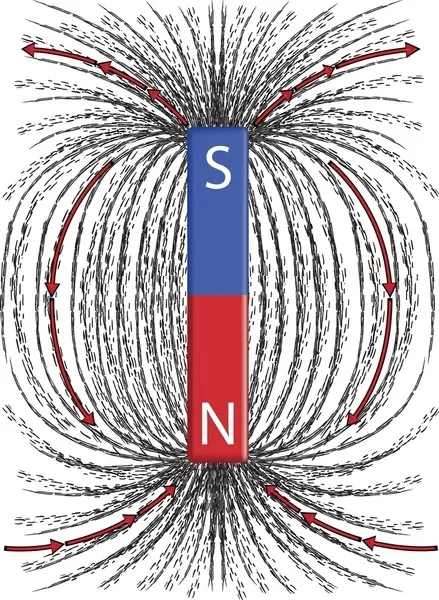
Iron is undoubtedly the most well-known magnetic material. Its atomic structure contains unpaired electrons that align with magnetic fields, creating strong attraction. Pure iron exhibits ferromagnetic properties, meaning it can become permanently magnetized under the right conditions.
Applications of iron's magnetic properties include:
- Electric motors and generators
- Transformers
- Magnetic storage devices
- Construction materials
2. Nickel - The Versatile Magnetic Metal
Nickel is another ferromagnetic material that responds strongly to magnetic fields. While not as magnetic as iron, nickel maintains its magnetic properties across a wide temperature range, making it valuable for various applications.
Nickel's magnetic characteristics include:
- Curie temperature of 358°C (676°F)
- Good corrosion resistance
- Often alloyed with other metals
3. Cobalt - The High-Temperature Magnetic Performer
Cobalt possesses strong ferromagnetic properties and has the highest Curie temperature of all magnetic elements at 1121°C (2050°F). This makes it particularly useful in high-temperature applications where other magnetic materials would lose their properties.
Key applications of cobalt include:
- High-performance magnets
- Aerospace components
- Medical imaging equipment
- Cutting tools
4. Steel - The Enhanced Magnetic Alloy
Steel, primarily an iron-carbon alloy, inherits magnetic properties from its iron content. The addition of carbon and other elements can modify these properties, creating materials with specific magnetic characteristics for different applications.
Types of magnetic steels include:
- Carbon steel
- Stainless steel (some grades)
- Tool steel
- Electrical steel

5. Magnetite - The Natural Magnetic Mineral
Magnetite (Fe₃O₄) is a naturally occurring magnetic mineral and one of the most magnetic of all naturally occurring minerals on Earth. It was used in the first compasses and continues to be important in geological studies.
Interesting facts about magnetite:
- Also known as lodestone
- Exhibits permanent magnetism
- Found in igneous and metamorphic rocks
- Some animals use it for navigation
6. Ferrite - The Ceramic Magnetic Material
Ferrites are ceramic compounds consisting of iron oxide combined with other metallic elements. They are ferrimagnetic, meaning they have magnetic properties but are electrical insulators, making them ideal for high-frequency applications.
Common uses of ferrites:
- Transformer cores
- Radio antennas
- Magnetic recording heads
- Refrigerator magnets

7. Alnico - The Classic Permanent Magnet Alloy
Alnico is an alloy primarily composed of aluminum, nickel, and cobalt, with iron making up the balance. Developed in the 1930s, alnico magnets were the strongest permanent magnets until the development of rare-earth magnets.
Alnico characteristics:
- High magnetic strength
- Good temperature stability
- Brittle and hard to machine
- Used in sensors and guitar pickups
8. Samarium Cobalt - The High-Temperature Rare Earth Magnet
Samarium cobalt (SmCo) magnets are part of the rare-earth magnet family and offer excellent magnetic properties with high temperature resistance. They maintain their magnetic strength at temperatures where other magnets would fail.
Advantages of SmCo magnets:
- High magnetic strength
- Excellent temperature stability
- Good corrosion resistance
- Used in aerospace and military applications
9. Neodymium - The Strongest Permanent Magnet
Neodymium magnets (NdFeB) are the strongest type of permanent magnets commercially available. They belong to the rare-earth magnet family and have revolutionized many technologies since their development in the 1980s.
Applications of neodymium magnets:
- Hard disk drives
- Headphones and speakers
- Electric vehicle motors
- Magnetic fasteners and closures

10. Mu-metal - The Special Purpose Magnetic Alloy
Mu-metal is a nickel-iron alloy with very high magnetic permeability, making it excellent for magnetic shielding. While it's attracted to magnets, its primary use is in redirecting and containing magnetic fields.
Key properties of mu-metal:
- Extremely high permeability
- Used for magnetic shielding
- Essential in sensitive electronic equipment
- Used in CRT displays and scientific instruments
Comparative Analysis of Magnetic Materials
| Material | Magnetic Strength | Curie Temperature (°C) | Common Applications | Relative Cost |
|---|---|---|---|---|
| Iron | High | 770 | Motors, transformers, cores | Low |
| Nickel | Medium | 358 | Alloys, plating, batteries | Medium |
| Cobalt | High | 1121 | High-temp magnets, tools | High |
| Steel | Medium-High | Varies | Construction, tools, appliances | Low-Medium |
| Neodymium | Very High | 310-400 | Electronics, motors, medical | High |
| Samarium Cobalt | Very High | 750-850 | Aerospace, military, sensors | Very High |
Understanding Magnetic Properties
Ferromagnetism vs Paramagnetism vs Diamagnetism
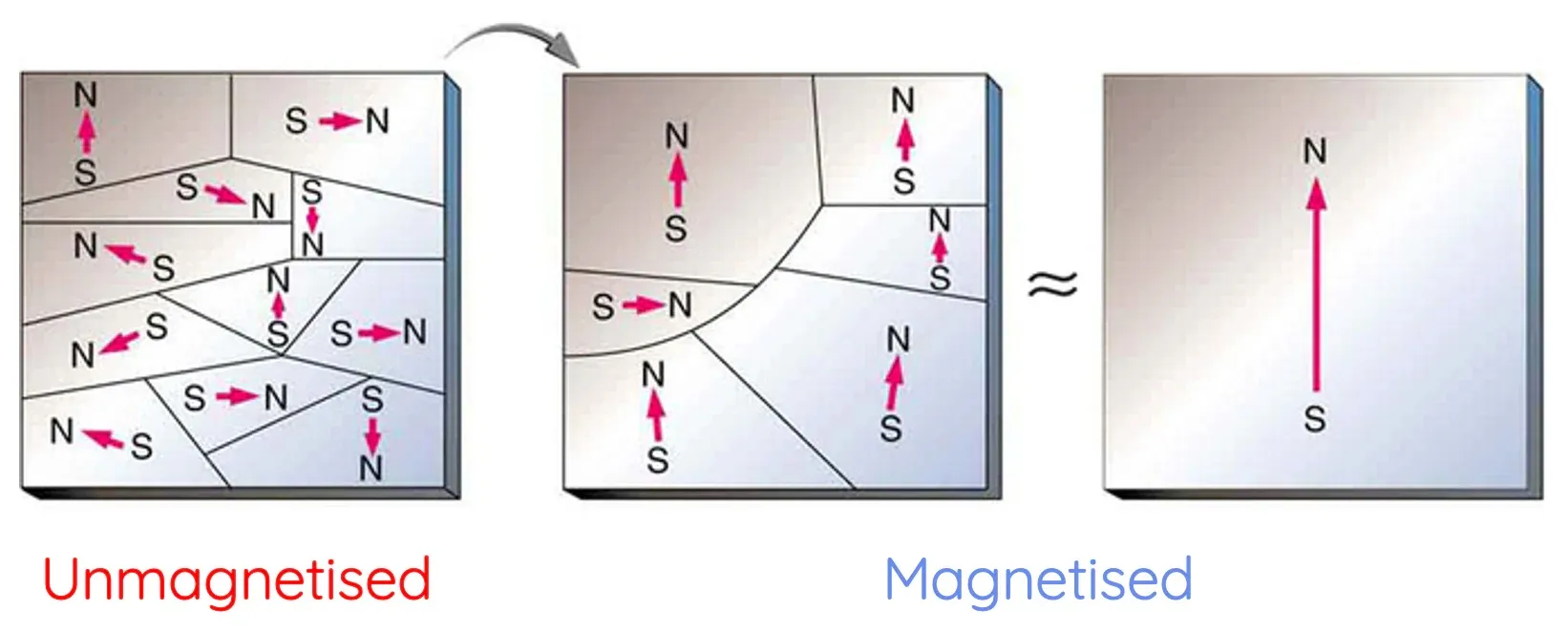
Materials respond to magnetic fields in different ways. Ferromagnetic materials (like iron and nickel) are strongly attracted and can retain magnetization. Paramagnetic materials are weakly attracted, while diamagnetic materials are weakly repelled.
The Role of Electron Configuration
The magnetic properties of materials stem from the behavior of their electrons. Unpaired electrons in certain atomic configurations create magnetic moments that can align with external magnetic fields, resulting in attraction.
Temperature Effects on Magnetism
All magnetic materials lose their magnetic properties above a specific temperature called the Curie point. This temperature varies significantly between different materials and determines their suitability for various applications.
Practical Applications and Future Developments
The understanding of magnetic materials has led to countless technological advancements. From the simple refrigerator magnet to complex MRI machines, magnetic materials play crucial roles in modern life. Ongoing research focuses on developing new magnetic materials with improved properties for emerging technologies like quantum computing and advanced medical imaging.
As we continue to explore the fascinating world of magnetism, new materials and applications will undoubtedly emerge, further expanding our ability to harness this fundamental force of nature.