
A Comprehensive Guide to Metallic Materials: Types, Properties, and Applications
Overview: Metallic materials form the backbone of modern engineering and manufacturing. This article provides a detailed exploration of the primary categories of metals, their defining characteristics, and their pivotal roles across various sectors, from massive infrastructure to microelectronics.
The world of metallic materials is vast and fundamental to human civilization's progress. From the steel in our skyscrapers to the copper in our electrical wires and the titanium in aerospace components, metals are chosen for their unique blend of properties like strength, ductility, conductivity, and corrosion resistance. Understanding the different types of metals and their alloys is crucial for material selection in any engineering or design project.
1. Ferrous Metals: The Iron and Steel Backbone
Ferrous metals, primarily iron-based, are the most widely used group due to their high strength, durability, and relatively low cost. Their properties are heavily influenced by carbon content and other alloying elements.
1.1 Carbon Steels
Carbon steels are classified into low, medium, and high carbon steels. Low-carbon (mild) steel is malleable and used for structural beams, car bodies, and machinery. High-carbon steel is very hard and wear-resistant, ideal for cutting tools, blades, and springs.

Carbon steel structural beams form the skeleton of modern buildings and bridges.
1.2 Alloy Steels
Alloy steels incorporate elements like chromium, nickel, molybdenum, and vanadium to enhance specific properties. Stainless steel, with a minimum of 10.5% chromium, is renowned for its excellent corrosion resistance, making it essential for kitchenware, medical instruments, and chemical plants.
1.3 Cast Iron
Cast iron contains 2-4% carbon, making it hard and brittle but excellent at compression. It's easily cast into complex shapes and is used for engine blocks, manhole covers, and cookware like skillets.
2. Non-Ferrous Metals: Diversity Beyond Iron
Non-ferrous metals contain no (or negligible) iron. They are often chosen for specific properties such as corrosion resistance, non-magnetism, light weight, or high conductivity.
2.1 Aluminum and Its Alloys
Aluminum is lightweight, corrosion-resistant, and highly conductive. Its alloys with copper, magnesium, or silicon significantly increase strength. Applications range from aircraft fuselages and beverage cans to window frames and electrical transmission lines.
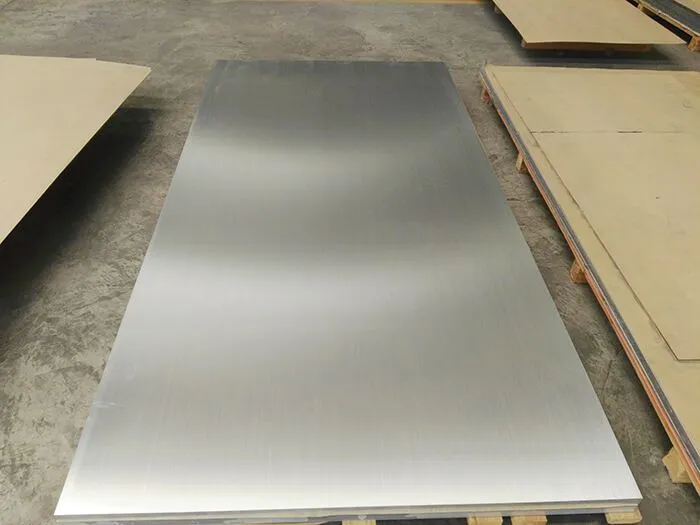
Aluminum alloy sheets are fundamental in aerospace for their high strength-to-weight ratio.
2.2 Copper and Its Alloys
Copper has unparalleled electrical and thermal conductivity. Brass (copper-zinc) is used for decorative items and plumbing fittings, while bronze (copper-tin) is known for its wear resistance and is used in bearings, marine hardware, and sculptures.
2.3 Titanium and Its Alloys
Titanium boasts an exceptional strength-to-weight ratio and outstanding corrosion resistance, even in seawater and chlorine environments. It is critical in aerospace, military applications, and biomedical implants like joint replacements.
3. Advanced and Specialized Metallic Alloys
This category includes materials engineered for extreme conditions or specific high-performance applications.
3.1 Superalloys
Nickel-based, cobalt-based, or iron-nickel-based superalloys retain their strength and resist oxidation at very high temperatures. They are indispensable for jet engine turbine blades, rocket engines, and nuclear reactors.
3.2 Shape Memory Alloys (SMAs)
Nitinol (Nickel-Titanium) is the most famous SMA, able to "remember" and return to its original shape when heated. This property is exploited in medical stents, orthodontic wires, and aerospace actuators.
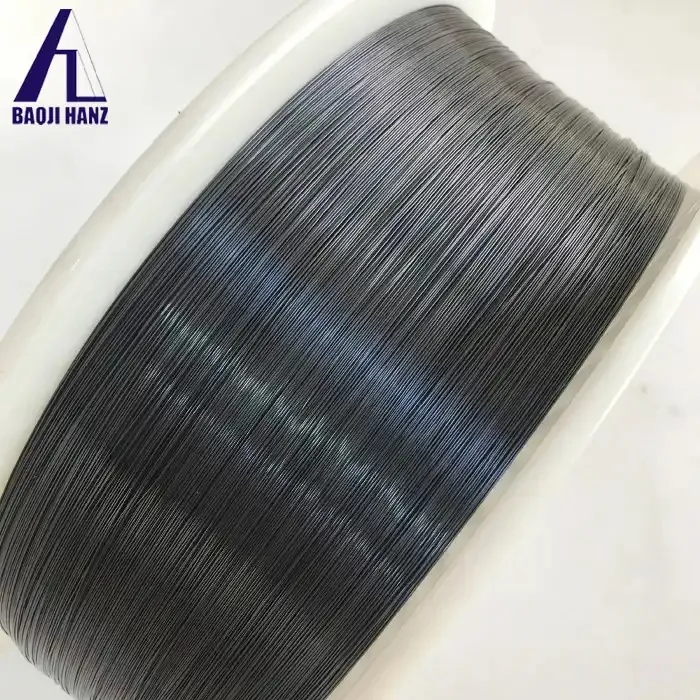
Shape memory alloys like Nitinol have revolutionary applications in medicine and robotics.
Comparative Properties and Selection Table
The following table summarizes key properties and typical applications of major metallic material groups to aid in the selection process:
| Material Category | Key Examples | Primary Properties | Common Applications |
|---|---|---|---|
| Carbon Steel | Mild Steel, Tool Steel | High strength, durable, cost-effective | Construction, automotive frames, tools |
| Stainless Steel | 304, 316, 430 Grades | Excellent corrosion resistance, hygienic | Food processing, medical devices, architecture |
| Aluminum Alloys | 6061, 7075 | Lightweight, good conductor, corrosion resistant | Aircraft, packaging, automotive parts |
| Copper Alloys | Brass, Bronze | Excellent electrical/thermal conductivity, antimicrobial | Electrical wiring, heat exchangers, sculptures |
| Titanium Alloys | Ti-6Al-4V | High strength-to-weight ratio, biocompatible | Aerospace, biomedical implants, chemical plants |
| Nickel Superalloys | Inconel, Hastelloy | Extreme temperature strength, oxidation resistant | Jet engines, gas turbines, chemical reactors |
Conclusion: The Future of Metallic Materials
The development of metallic materials continues to evolve. Research focuses on nano-structured metals for unprecedented strength, bulk metallic glasses (amorphous metals) for unique properties, and advanced high-entropy alloys (HEAs) that combine multiple principal elements. Furthermore, sustainability drives innovation in recycling processes and the development of more efficient, corrosion-resistant alloys to extend product lifecycles. The intelligent selection and continuous innovation of metallic materials will remain central to technological advancement across all engineering disciplines.