
Eco-Friendly Building Materials: Meaning, Benefits, and Examples
The construction industry stands at a critical juncture, facing the dual challenges of meeting global infrastructure demands and mitigating its significant environmental footprint. In response, the concept of eco-friendly building materials has moved from a niche interest to a central pillar of sustainable development. But what is the precise eco friendly building materials meaning? At its core, it refers to construction resources that have a reduced negative impact on the environment and human health throughout their entire life cycle—from extraction and manufacturing to transportation, installation, use, and eventual disposal or recycling. These materials are characterized by attributes such as renewability, recyclability, energy efficiency, non-toxicity, and durability, collectively contributing to the creation of greener, healthier, and more resilient built environments.
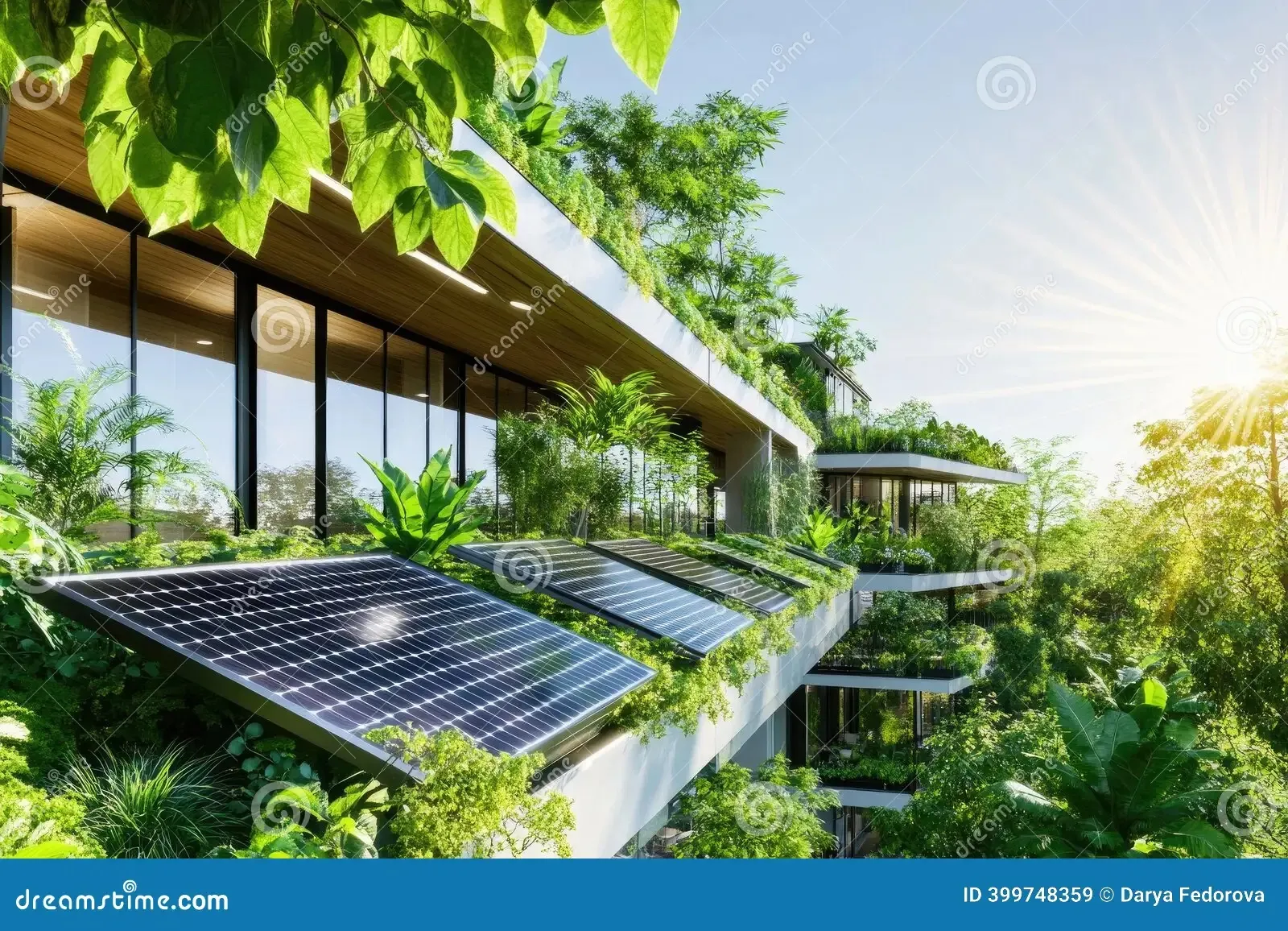
A sustainable building integrating key eco-friendly elements like a green roof and solar panels.
Core Principles and Characteristics of Eco-Friendly Materials
To fully grasp the meaning of eco-friendly building materials, one must understand the principles that guide their selection and use. These materials are not defined by a single trait but by a holistic set of characteristics that prioritize planetary and personal well-being.
1. Sustainable Sourcing and Renewability
Materials derived from rapidly renewable sources, such as bamboo, cork, or straw, are prime examples. They regenerate much faster than traditional timber, reducing pressure on forests. Sustainable sourcing also involves responsible extraction practices that minimize ecosystem disruption.
2. Low Embodied Energy
Embodied energy is the total energy consumed during a material's life cycle. Eco-friendly materials typically have low embodied energy, often because they are locally sourced (reducing transportation emissions), require minimal processing, or are manufactured using renewable energy.
3. Recycled and Recyclable Content
Using materials with high post-consumer or post-industrial recycled content, such as recycled steel, glass, or plastic, diverts waste from landfills and reduces the need for virgin resources. Furthermore, materials designed for easy recycling at the end of their building life support a circular economy.
Reclaimed wood and brick give character while conserving resources.
4. Non-Toxicity and Improved Indoor Air Quality
Conventional materials can emit volatile organic compounds (VOCs) and other harmful chemicals. Eco-friendly alternatives, like zero-VOC paints, natural plasters, and formaldehyde-free insulation, contribute to healthier indoor air, reducing risks of respiratory problems and allergies.
5. Durability and Longevity
A durable material that lasts for decades inherently has a lower environmental impact than one that needs frequent replacement. This reduces waste, resource consumption, and long-term maintenance energy.
6. Energy and Resource Efficiency in Use
Many eco-friendly materials enhance a building's operational efficiency. For instance, high-performance insulation, triple-glazed windows, and thermal mass materials like rammed earth significantly reduce energy needed for heating and cooling.
Key Examples and Applications in Modern Construction
The theory of eco-friendly materials comes to life through a diverse range of innovative and traditional products used across all aspects of construction.
| Material Category | Specific Examples | Key Benefits & Applications |
|---|---|---|
| Natural & Renewable | Bamboo, Cork, Hempcrete, Straw Bales, Wool Insulation | Fast-growing, carbon-sequestering, excellent for flooring, insulation, and structural elements. |
| Recycled & Reclaimed | Recycled Steel, Reclaimed Wood, Recycled Glass Countertops, Crushed Concrete Aggregate | Reduces landfill waste, lowers embodied energy. Used in framing, flooring, finishes, and foundations. |
| Low-Impact Manufactured | Prefabricated SIPs (Structural Insulated Panels), Recycled Content Drywall, Low-E Windows | Factory efficiency reduces waste, high performance for walls, roofs, and windows improves energy efficiency. |
| Energy Enhancing | Phase Change Materials (PCMs), Green Roof Systems, High-Reflectivity Cool Roofs | Regulates indoor temperature, manages stormwater, reduces urban heat island effect. |
| Non-Toxic Finishes | Clay/Line Plaster, Zero-VOC Paints & Sealants, Natural Oil Finishes (e.g., Linseed) | Improves indoor air quality, moisture regulating, used for interior walls and wood finishes. |
Hempcrete, a carbon-negative insulation and walling material.
The Broader Impact: Why Choosing Eco-Friendly Materials Matters
Adopting eco-friendly building materials transcends individual projects; it drives systemic change. The broader meaning and impact are profound:
- Environmental Protection: Reduces depletion of finite resources, lowers greenhouse gas emissions, minimizes pollution and waste, and conserves water and ecosystems.
- Economic Benefits: While some materials have higher upfront costs, they offer long-term savings through energy efficiency, durability, and lower maintenance. They also foster innovation and green job creation.
- Health and Social Well-being: Creates healthier living and working spaces, which can improve occupant productivity, comfort, and overall quality of life.
- Resilience: Buildings made with durable, locally-sourced, and non-toxic materials are often more resilient to climate impacts and market fluctuations.
Challenges and Considerations for the Future
Despite clear benefits, challenges remain. These include higher initial costs in some cases, availability and supply chain issues, the need for specialized labor and knowledge, and "greenwashing"—where products are misleadingly marketed as eco-friendly. Overcoming these hurdles requires robust certification systems (like Cradle to Cradle, EPDs), continued research and development, supportive government policies, and increased industry and consumer education.
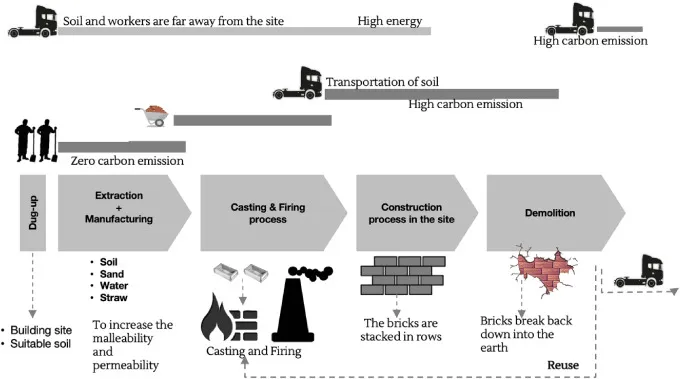
Life cycle analysis comparing the environmental impact of different building materials.
In conclusion, the eco friendly building materials meaning encompasses far more than just a list of "green" products. It represents a fundamental shift in how we conceive, source, and utilize the very foundations of our built world. It is a philosophy that intertwines environmental stewardship, economic pragmatism, and social responsibility. By choosing materials that respect ecological limits and human health, we are not just constructing buildings; we are investing in a sustainable legacy for future generations, one responsible choice at a time.