
Economic Impact of Magnetic Alloy Material Innovations
The global economy is increasingly driven by technological advancements, with material science playing a pivotal role. Among these, innovations in magnetic alloy materials—such as neodymium-iron-boron (NdFeB), samarium-cobalt (SmCo), and emerging high-entropy alloys—have catalyzed transformative changes across multiple industries. These materials are essential for modern technologies, from electric vehicles and renewable energy systems to consumer electronics and advanced medical devices. This article explores the profound economic impact of these innovations, highlighting how they enhance efficiency, reduce costs, and create new market opportunities.
Driving Forces Behind Magnetic Alloy Innovations
Innovation in magnetic alloys is fueled by the demand for higher performance, sustainability, and cost-effectiveness. Key drivers include the transition to green energy, the rise of electric mobility, and the miniaturization of electronic devices. For instance, the need for powerful, lightweight magnets in electric vehicle motors has spurred research into alloys with greater magnetic energy density and thermal stability.
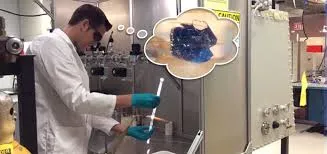
Research and development in magnetic alloys require advanced laboratory facilities and precision analysis.
Technological Breakthroughs and Their Applications
Recent breakthroughs include the development of rare-earth-free magnets and alloys with reduced critical material dependency. These innovations not only mitigate supply chain risks but also lower production costs. Applications span:
- Renewable Energy: High-performance magnets in wind turbine generators improve efficiency and power output.
- Transportation: Lightweight magnets reduce energy consumption in EVs and aerospace components.
- Healthcare: Magnetic alloys enable advanced MRI machines and minimally invasive surgical tools.
- Consumer Electronics: Miniaturized magnets enhance the performance of smartphones, headphones, and hard drives.
Direct Economic Contributions
The magnetic materials market is a significant economic sector. According to industry reports, the global permanent magnet market was valued at over $20 billion in 2023 and is projected to grow at a CAGR of 8.5% through 2030. This growth is largely attributed to innovations that expand application ranges and improve material properties.
| Alloy Type | Key Innovation | Primary Economic Sector Impacted | Estimated Market Value (2025) |
|---|---|---|---|
| NdFeB (Rare-Earth) | Grain boundary diffusion for enhanced coercivity | Electric Vehicles, Wind Energy | $15.2 billion |
| SmCo (High-Temperature) | Improved thermal stability up to 350°C | Aerospace, Defense | $3.8 billion |
| Ferrite (Low-Cost) | Enhanced magnetic strength via nano-structuring | Consumer Electronics, Automotive | $10.5 billion |
| High-Entropy Alloys | Tailored magnetic properties via multi-principal elements | Research, Next-Gen Tech | $1.5 billion (emerging) |
Supply Chain and Job Creation
Innovations in magnetic alloys stimulate economic activity across the supply chain, from mining and processing to manufacturing and recycling. They create high-skilled jobs in research, engineering, and production. For example, the expansion of NdFeB magnet production facilities in Asia, Europe, and North America has generated thousands of direct and indirect employment opportunities.
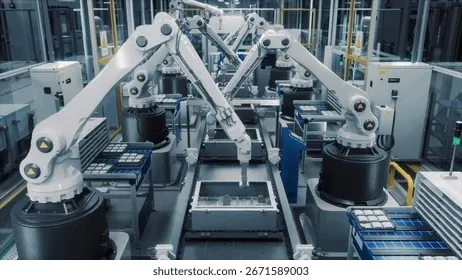
Advanced manufacturing lines for magnetic alloys boost productivity and economic output.
Indirect Economic and Environmental Benefits
Beyond direct market value, magnetic alloy innovations yield substantial indirect economic benefits. They enable energy-efficient technologies, reducing operational costs for industries and consumers. In renewable energy, improved magnets increase the efficiency of wind turbines and electric motors, accelerating the return on investment and making green energy more competitive with fossil fuels.
Cost Reduction and Sustainability
New alloys often require less rare-earth material or incorporate recycled content, lowering raw material costs and environmental impact. This supports circular economy initiatives and reduces geopolitical dependencies on critical material sources, enhancing economic stability.
Challenges and Future Outlook
Despite the positive impact, challenges remain. These include price volatility of rare-earth elements, technical hurdles in scaling new alloys, and international trade policies. Future innovations are likely to focus on AI-driven material discovery, bio-inspired magnetic materials, and sustainable production methods. The economic impact will continue to expand as these materials enable next-generation technologies like quantum computing and advanced robotics.
In conclusion, innovations in magnetic alloy materials are not merely technical achievements; they are powerful economic engines. By driving efficiency, enabling new products, and fostering sustainable growth, they contribute significantly to global economic development and technological progress.