
In the face of rapid urbanization and environmental degradation, the integration of nature into urban landscapes has become a critical imperative. The use of green materials—sustainable, eco-friendly building resources—offers a transformative pathway to harmonize urban development with natural ecosystems. This approach not only mitigates the environmental footprint of cities but also enhances the quality of life for residents, fostering healthier, more resilient communities.
The Concept of Green Materials in Urban Contexts
Green materials encompass a wide range of products and technologies designed to reduce environmental impact. These include recycled content materials (like reclaimed wood or recycled steel), rapidly renewable resources (such as bamboo or cork), low-emission products (like low-VOC paints), and innovative solutions (such as self-healing concrete or photovoltaic glass). Their application in urban development—from buildings and roads to public spaces—helps restore ecological balance, reduce energy consumption, and manage resources more efficiently.
Key Benefits of Green Materials
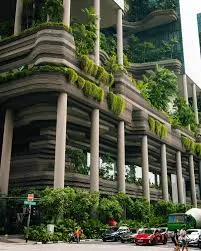
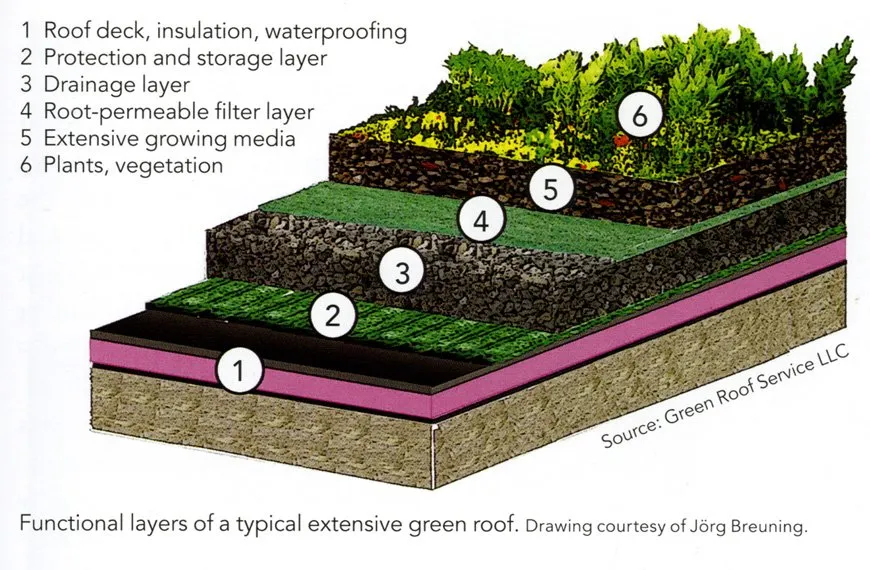
The adoption of green materials delivers multifaceted benefits. Environmentally, they lower carbon emissions, reduce waste, and conserve natural resources. Economically, they often lead to long-term cost savings through energy efficiency and durability. Socially, they improve air and water quality, reduce urban heat island effects, and create aesthetically pleasing environments that promote mental well-being. For instance, green roofs and walls not only insulate buildings but also provide habitats for urban wildlife.
Applications and Innovations in Urban Settings
Green materials are being deployed across various urban sectors. In construction, materials like hempcrete and cross-laminated timber offer sustainable alternatives to conventional concrete and steel. For infrastructure, permeable pavements allow rainwater to seep into the ground, replenishing aquifers and reducing runoff. Urban furniture made from recycled plastics or composite wood adds functionality while minimizing waste. These applications demonstrate how cities can evolve from concrete jungles into living, breathing ecosystems.
Case Study: Green Building Facades
Building facades integrated with vertical gardens or bio-reactive panels exemplify the fusion of nature and architecture. These systems improve air quality by filtering pollutants, regulate building temperatures, and enhance biodiversity. For example, the "Bosco Verticale" (Vertical Forest) in Milan, Italy, incorporates thousands of plants on its towers, effectively absorbing CO2 and producing oxygen while creating a micro-habitat for birds and insects.
| Green Material Type | Common Applications | Environmental Impact Reduction |
|---|---|---|
| Recycled Steel | Structural frames, bridges | Reduces mining waste by 75% |
| Bamboo | Flooring, scaffolding, furniture | Rapidly renewable; absorbs more CO2 than timber |
| Permeable Concrete | Pavements, parking lots | Decreases stormwater runoff by up to 90% |
| Low-E Glass | Windows, skylights | Cuts building energy use by 30-50% |
| Recycled Plastic Composites | Decking, benches, fences | Diverts plastic waste from landfills |
Challenges and Future Directions
Despite their advantages, green materials face challenges such as higher upfront costs, limited availability, and a lack of standardized regulations. However, ongoing research and policy incentives are driving innovation. The future lies in smart materials that adapt to environmental conditions, circular economy models that prioritize reuse, and community-driven urban greening projects. By embedding green materials into urban planning frameworks, cities can achieve sustainable growth that respects planetary boundaries.
Conclusion: Towards Regenerative Cities
Integrating nature with urban development through green materials is not merely a trend but a necessity for creating resilient, livable cities. It requires collaboration among policymakers, developers, and citizens to prioritize sustainability. By choosing materials that give back to the environment, we can transform urban areas into regenerative spaces that support both human prosperity and ecological health, ensuring a legacy of balance for future generations.