
Sustainable Building: A Guide to Eco-Friendly Materials in the UK
The UK construction industry is undergoing a profound transformation. Driven by the urgent need to combat climate change, meet stringent carbon targets, and create healthier living environments, architects, builders, and homeowners are increasingly turning to eco-friendly building materials. These materials, sourced sustainably and designed for low environmental impact, are redefining how we build our homes and commercial spaces. This guide explores the key materials shaping the sustainable construction landscape in the UK.
Why Choose Eco-Friendly Building Materials?
Traditional construction is a major contributor to carbon emissions, resource depletion, and waste. Eco-friendly materials offer a viable alternative by focusing on:
- Reduced Embodied Carbon: Minimising the CO2 emitted during extraction, manufacture, and transport.
- Renewable or Abundant Sources: Using materials that regrow quickly or are widely available without causing harm.
- Energy Efficiency: Providing superior insulation and thermal mass to reduce operational energy use.
- Non-Toxicity & Health: Improving indoor air quality by avoiding volatile organic compounds (VOCs) and harmful chemicals.
- Recyclability & Biodegradability: Ensuring materials can be reused, recycled, or safely returned to the earth at end-of-life.
Leading Eco-Friendly Building Materials in the UK
1. Hempcrete
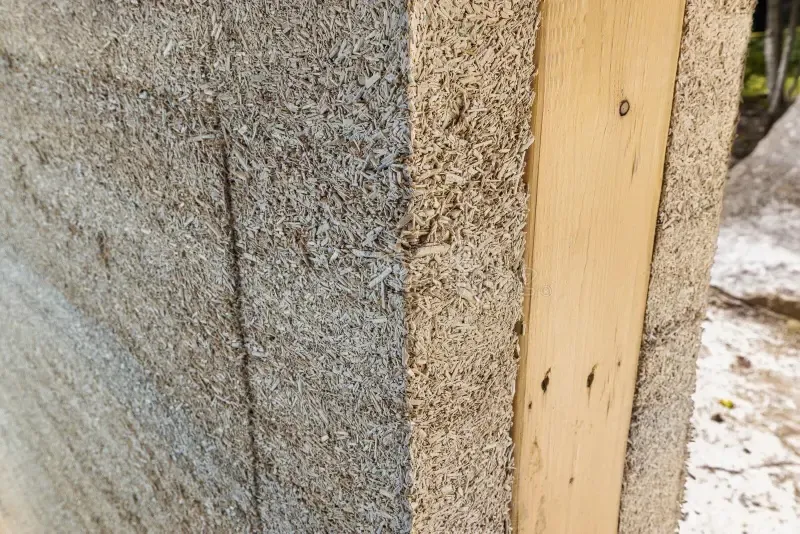
Hempcrete is a bio-composite material made from the inner woody core of the hemp plant mixed with a lime-based binder. It is non-toxic, breathable, and provides excellent thermal and acoustic insulation. As hemp grows rapidly, absorbing significant amounts of CO2, it is a truly carbon-negative material. In the UK, it is increasingly used for insulation, infill in timber frames, and renovation projects.
2. Straw Bales
A traditional material with modern applications, straw bales are used as building blocks for walls, offering exceptional insulation values (often exceeding current building regulations). Straw is a renewable agricultural by-product. When rendered with lime or clay plaster, straw bale buildings are highly durable, fire-resistant, and create a uniquely healthy indoor atmosphere.
3. Reclaimed and Sustainably Sourced Timber
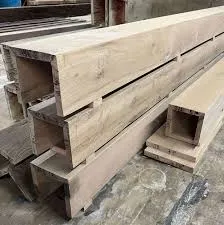
Timber is a renewable resource, but its sustainability depends on sourcing. Reclaimed timber from old buildings, barns, or railways gives wood a second life, reducing demand for virgin timber. For new wood, look for certifications like FSC (Forest Stewardship Council) or PEFC (Programme for the Endorsement of Forest Certification), which guarantee responsible forest management. UK-grown timber, such as Douglas fir or oak, further reduces transport miles.
4. Recycled Steel and Metal
Steel is one of the most recycled materials on earth. Using recycled steel in structural frames significantly reduces the embodied energy and environmental impact compared to virgin steel production. It is strong, durable, and 100% recyclable at the end of its long life, making it a cornerstone of circular economy principles in construction.
5. Sheep's Wool Insulation
A natural alternative to mineral or plastic-based insulation, sheep's wool is effective, safe, and renewable. It regulates moisture, improves indoor air quality by absorbing pollutants, and has excellent thermal and acoustic properties. It is particularly suitable for loft and wall insulation in the UK's climate and supports British farming.
6. Clay Plasters and Paints
Conventional gypsum plasters and synthetic paints can contain harmful chemicals. Natural clay plasters and mineral paints are breathable, non-toxic, and regulate indoor humidity. They come in a rich variety of natural colours and textures, contributing to both aesthetic and environmental goals.
Comparison of Key Eco-Friendly Materials
| Material | Primary Use | Key Benefits | Considerations |
|---|---|---|---|
| Hempcrete | Wall insulation, infill | Carbon-negative, breathable, good thermal mass | Requires specialist application, longer drying times |
| Straw Bales | Wall construction | High insulation (R-value), very low cost material | Needs careful detailing to prevent moisture, thicker walls |
| FSC Timber | Structure, cladding, flooring | Renewable, stores carbon, versatile | Must be certified, can be costly |
| Recycled Steel | Structural frame | Extremely strong, highly recycled content | High embodied energy in initial production |
| Sheep's Wool | Loft & wall insulation | Natural, safe, moisture-regulating | Higher cost than conventional insulation |
The Future of Sustainable Construction in the UK
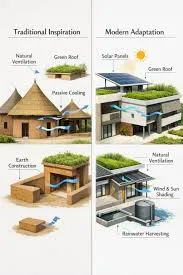
The adoption of eco-friendly materials is accelerating, supported by innovations in material science, evolving building regulations (like the Future Homes Standard), and growing consumer demand. The integration of these materials with other green technologies—such as solar panels, heat pumps, and rainwater harvesting—is creating a holistic approach to sustainable building. While challenges remain, including cost perceptions and supply chain development, the trajectory is clear: the future of UK construction is green, efficient, and healthy.
By choosing eco-friendly building materials, we are not just constructing buildings; we are investing in the long-term health of our planet and the well-being of generations to come. The UK, with its rich history of innovation, is poised to be a leader in this vital global shift.