
Sustainable Building Solutions for Modern Cities
Introduction to Urban Sustainability Challenges
Modern cities face unprecedented challenges in balancing rapid urbanization with environmental responsibility. As urban populations continue to grow, the demand for sustainable building solutions has never been more critical. Sustainable architecture represents a paradigm shift in how we design, construct, and maintain our urban environments, focusing on reducing environmental impact while enhancing quality of life for inhabitants.
Key Principles of Sustainable Building Design
Energy Efficiency and Renewable Energy Integration
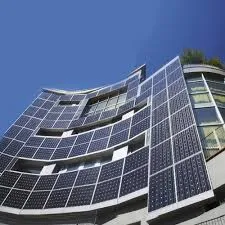
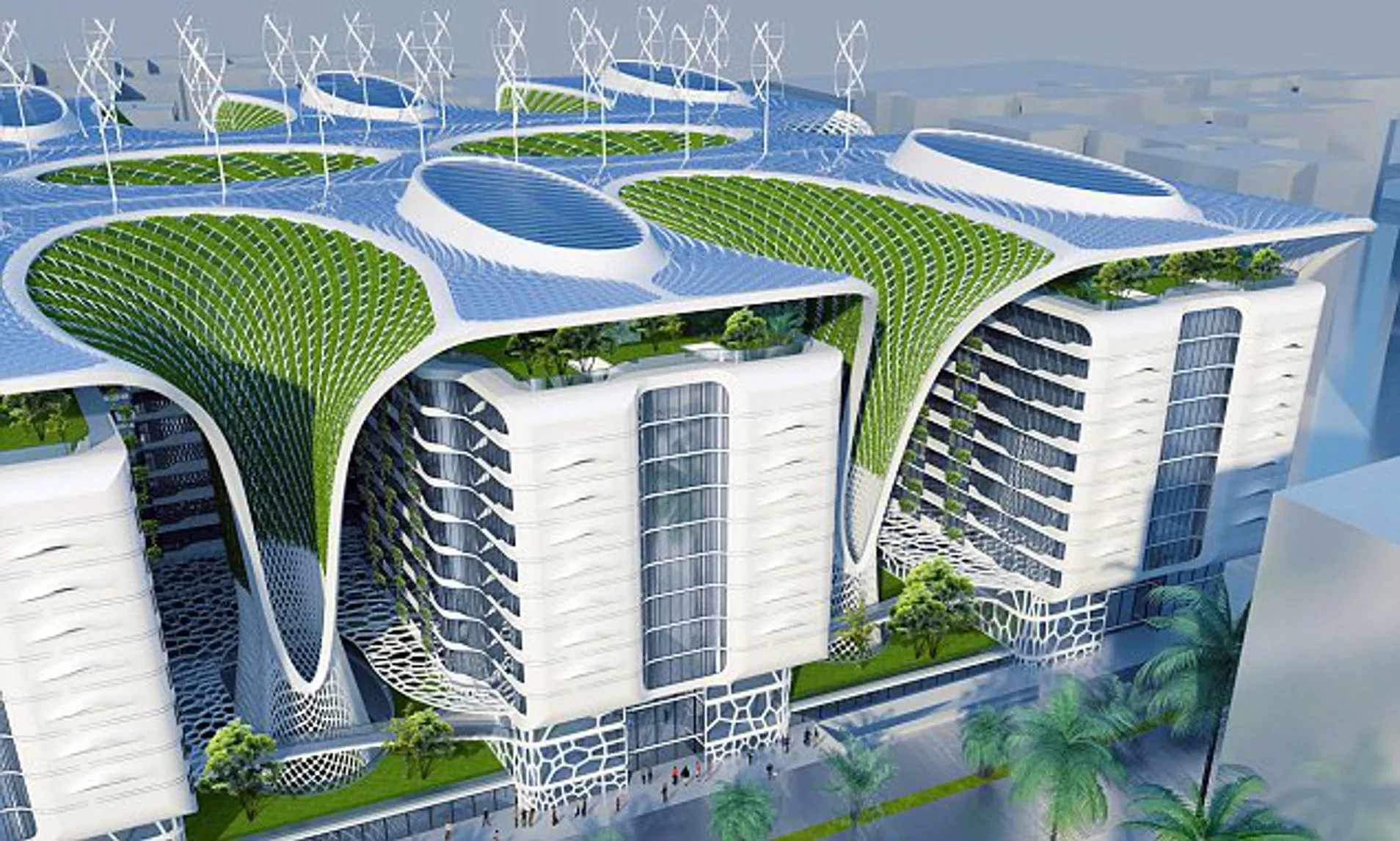
Energy-efficient building design forms the cornerstone of sustainable urban development. This involves optimizing building orientation, implementing high-performance insulation, and utilizing smart building technologies that minimize energy consumption. The integration of renewable energy sources, particularly solar panels and wind turbines, has become increasingly accessible and cost-effective for urban structures.
Water Conservation and Management Systems
Water scarcity concerns have propelled innovative water management solutions to the forefront of sustainable building practices. Modern sustainable buildings incorporate greywater recycling systems, rainwater harvesting technologies, and water-efficient fixtures that significantly reduce municipal water consumption while maintaining functionality and comfort.
Sustainable Material Selection
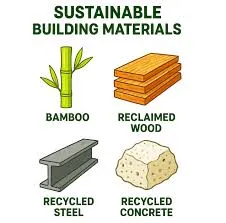
The choice of building materials plays a crucial role in the environmental footprint of construction projects. Sustainable material selection emphasizes locally sourced, recycled, and renewable resources that minimize embodied energy and reduce transportation emissions. Additionally, the use of non-toxic, biodegradable materials contributes to healthier indoor environments and reduced environmental impact.
Innovative Sustainable Building Technologies
Green Roofs and Living Walls
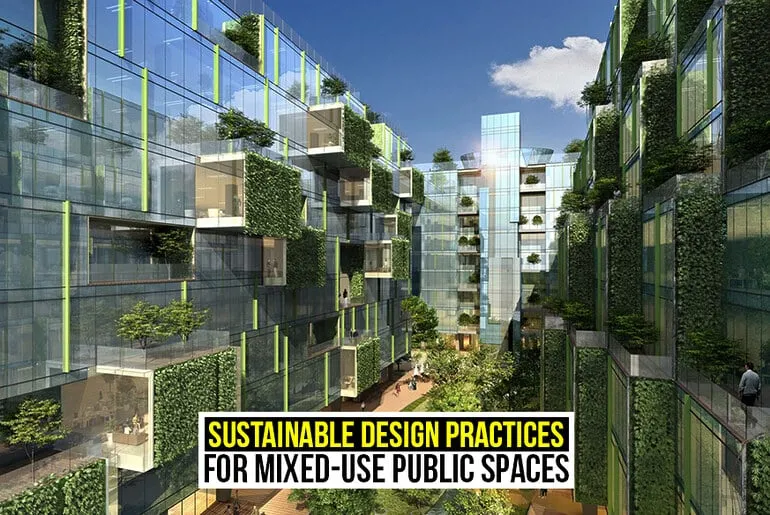
Green infrastructure represents one of the most visible and effective sustainable building solutions. Green roofs and living walls provide multiple benefits including thermal insulation, stormwater management, biodiversity promotion, and urban heat island mitigation. These systems also contribute to improved air quality and psychological well-being for urban residents.
Smart Building Automation
The integration of Internet of Things (IoT) technologies and artificial intelligence has revolutionized building management systems. Smart automation enables real-time monitoring and optimization of energy consumption, indoor air quality, lighting systems, and occupancy patterns, resulting in significant resource conservation and operational efficiency.
| Technology | Energy Savings | Water Savings | Implementation Cost | ROI Period |
|---|---|---|---|---|
| Solar PV Systems | 40-60% | N/A | High | 5-8 years |
| Rainwater Harvesting | 10-15% | 40-50% | Medium | 3-5 years |
| Green Roofs | 20-30% | 25-35% | High | 7-10 years |
| Smart Building Systems | 25-40% | 15-25% | Medium-High | 4-6 years |
Urban Planning and Sustainable Community Development
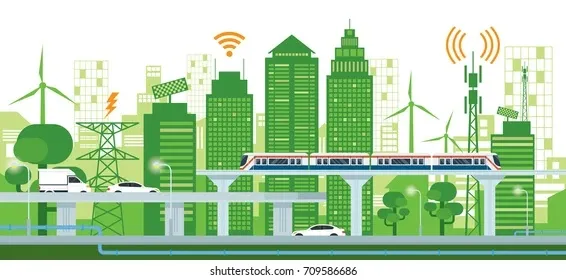
Sustainable building extends beyond individual structures to encompass comprehensive urban planning strategies. Mixed-use developments, transit-oriented design, and pedestrian-friendly infrastructure reduce reliance on private vehicles and promote community connectivity. The creation of green spaces, recreational areas, and accessible public transportation networks further enhances urban sustainability.
Economic Benefits and Long-term Value
While sustainable building solutions often require higher initial investments, they deliver substantial long-term economic benefits. Reduced operational costs, increased property values, and enhanced occupant productivity contribute to compelling financial returns. Additionally, sustainable buildings typically experience lower vacancy rates and command premium rental prices in competitive real estate markets.
Lifecycle Cost Analysis
A comprehensive understanding of building lifecycle costs reveals the true economic advantage of sustainable design. While conventional buildings may have lower construction costs, sustainable buildings demonstrate superior performance in operational efficiency, maintenance requirements, and adaptability to future needs, resulting in lower total cost of ownership over the building's lifespan.
| Cost Category | Conventional Building | Sustainable Building | Difference |
|---|---|---|---|
| Initial Construction | $100 | $115 | +15% |
| Operations (Annual) | $25 | $18 | -28% |
| Maintenance (Annual) | $12 | $8 | -33% |
| 30-Year Total Cost | $910 | $769 | -16% |
Future Trends in Sustainable Urban Development
The future of sustainable building points toward increasingly integrated and intelligent solutions. Emerging technologies such as building-integrated photovoltaics, advanced energy storage systems, and carbon-capture building materials promise to further reduce the environmental impact of urban development. The concept of circular economy principles in construction, where materials are continuously reused and recycled, represents the next frontier in sustainable urban development.
Conclusion: The Path Forward
Sustainable building solutions offer a comprehensive framework for addressing the environmental, social, and economic challenges facing modern cities. Through the strategic integration of energy-efficient technologies, sustainable materials, and thoughtful urban planning, cities can transform into resilient, livable environments that meet current needs without compromising future generations. The continued advancement and adoption of sustainable building practices represent our most promising pathway toward creating cities that are not only environmentally responsible but also economically vibrant and socially equitable.