The Role of Semiconductor Materials in Renewable Energy Technologies
Introduction to Semiconductor Materials in Energy Applications
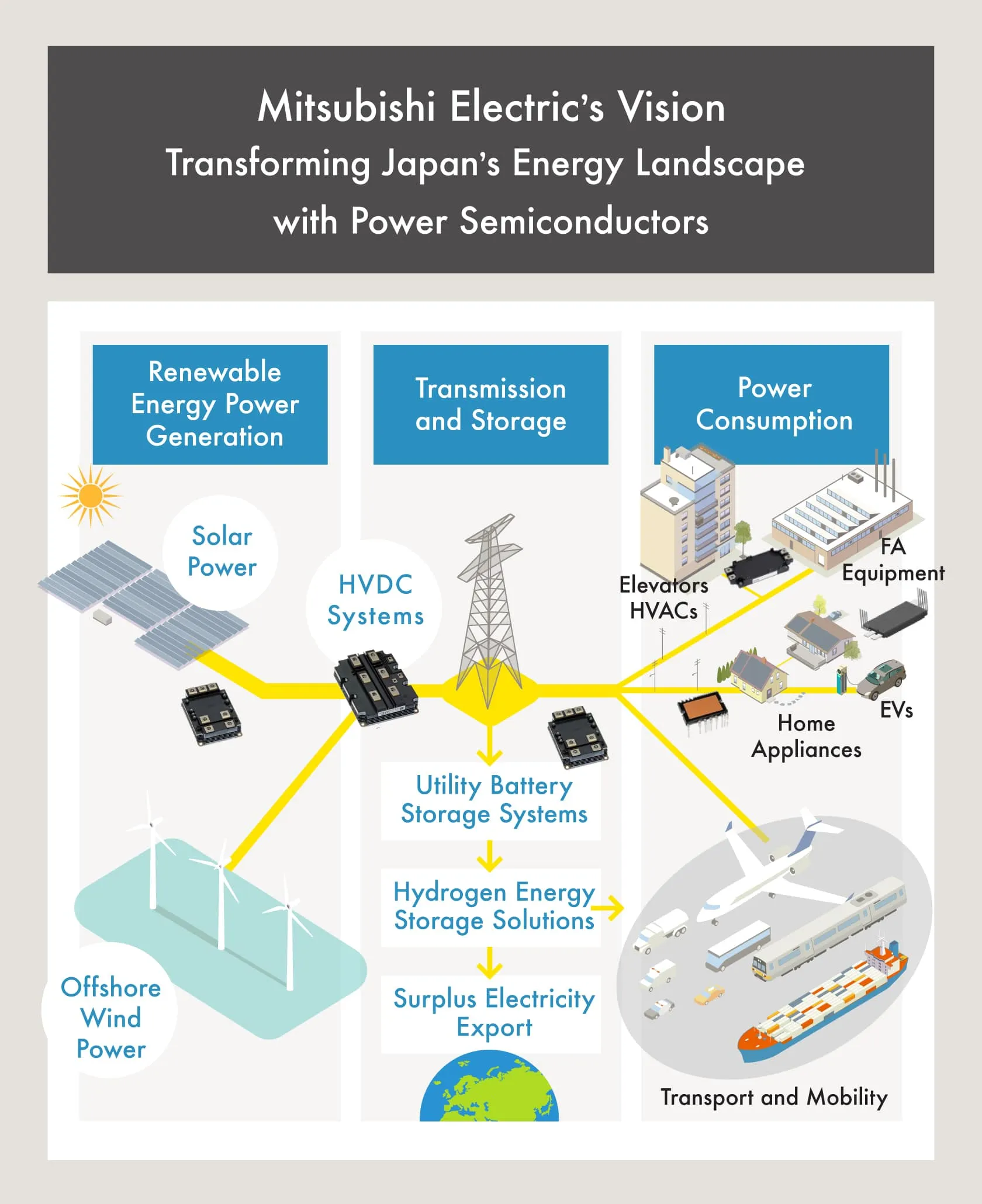
Semiconductor materials have become the cornerstone of modern renewable energy technologies, enabling the efficient conversion, storage, and management of clean energy. These materials, characterized by their unique electrical properties that fall between conductors and insulators, have revolutionized how we harness and utilize renewable energy sources. The strategic application of semiconductors has significantly improved the efficiency and reduced the costs of renewable energy systems, making them more accessible and practical for widespread adoption.
Fundamental Properties of Semiconductor Materials
Semiconductor materials possess distinctive electronic properties that make them ideal for energy conversion applications. Their band gap energy, which determines the energy required for electrons to jump from the valence band to the conduction band, plays a crucial role in determining their suitability for specific renewable energy applications. The ability to precisely control the electrical conductivity of semiconductors through doping processes allows engineers to tailor these materials for optimal performance in various energy technologies.
Band Gap Engineering
The manipulation of band gap energies in semiconductor materials has enabled significant advancements in renewable energy technologies. By carefully selecting and engineering semiconductor materials with specific band gaps, researchers can optimize the absorption of solar radiation in photovoltaic cells or enhance the efficiency of thermoelectric generators. This precise control over electronic properties has been instrumental in pushing the boundaries of renewable energy conversion efficiencies.
Semiconductors in Photovoltaic Technology
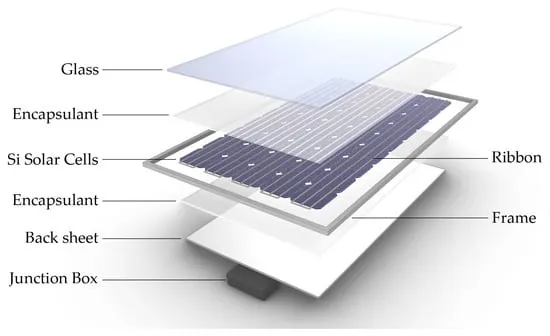
Photovoltaic technology represents one of the most prominent applications of semiconductor materials in renewable energy. Silicon-based semiconductors have dominated the solar industry for decades, with crystalline silicon cells achieving remarkable efficiencies and reliability. The photovoltaic effect, which enables the direct conversion of sunlight into electricity, relies entirely on the unique properties of semiconductor materials to generate electron-hole pairs when exposed to photons.
Silicon-Based Solar Cells
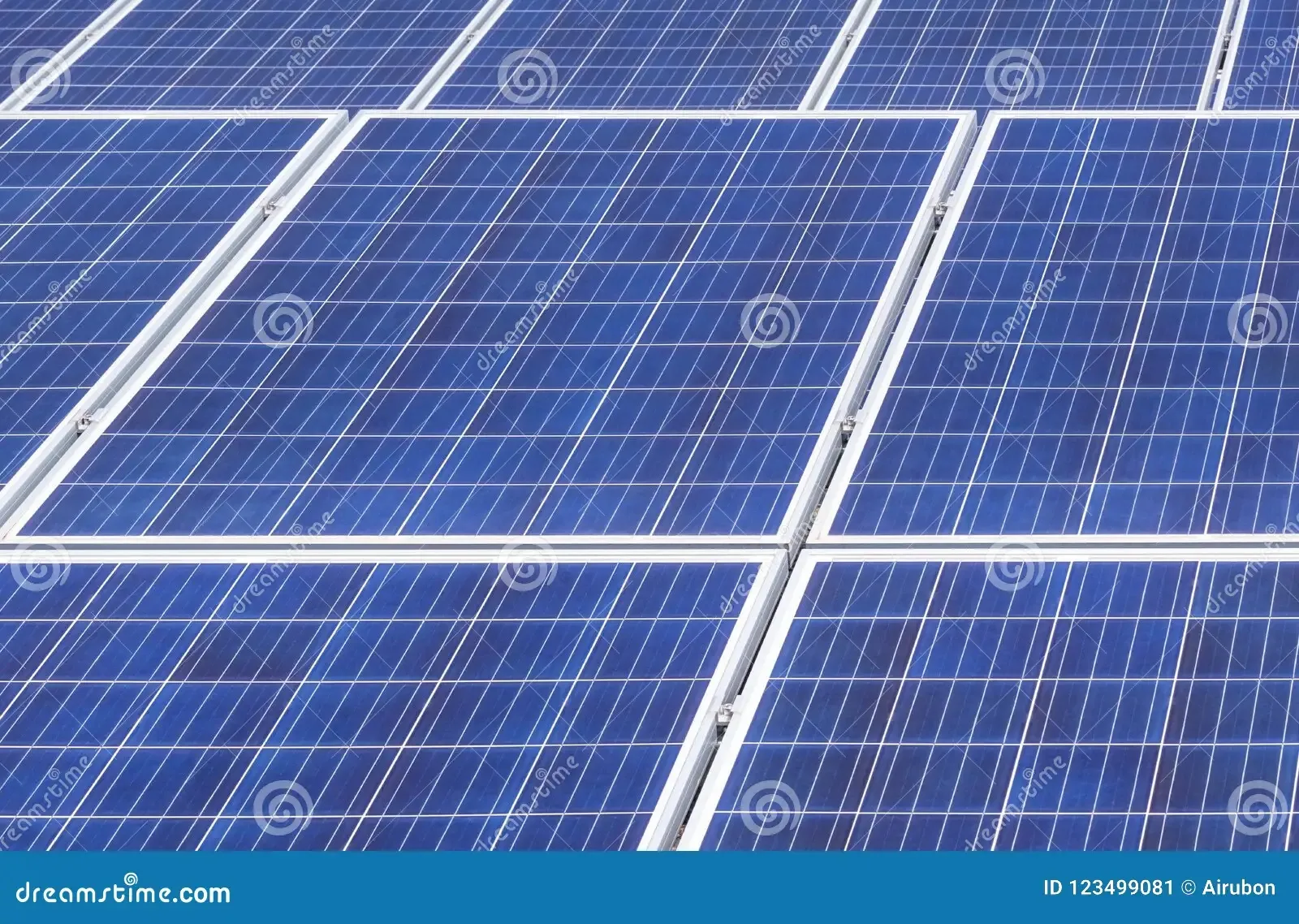
Silicon remains the workhorse material for commercial solar cells due to its abundance, stability, and well-established manufacturing processes. Monocrystalline silicon offers the highest efficiencies, typically ranging from 20-25%, while polycrystalline silicon provides a cost-effective alternative with slightly lower efficiency. The continuous refinement of silicon processing techniques and cell architectures has driven steady improvements in performance and cost reduction over the past decades.
Thin-Film and Emerging Photovoltaic Materials
Beyond traditional silicon, numerous alternative semiconductor materials have emerged for photovoltaic applications. Cadmium telluride (CdTe), copper indium gallium selenide (CIGS), and perovskite semiconductors offer the potential for lower manufacturing costs and flexible form factors. These materials enable the development of lightweight, flexible solar panels that can be integrated into various surfaces and applications, expanding the potential deployment scenarios for solar energy.
| Material | Efficiency Range | Advantages | Limitations | Commercial Status |
|---|---|---|---|---|
| Monocrystalline Silicon | 20-25% | High efficiency, long lifespan | Higher cost, rigid structure | Widely commercialized |
| Polycrystalline Silicon | 15-20% | Lower cost, established manufacturing | Lower efficiency than mono-Si | Widely commercialized |
| Cadmium Telluride (CdTe) | 18-22% | Low-cost manufacturing, good low-light performance | Toxicity concerns, limited raw materials | Commercial scale |
| Perovskite | 25-29% (lab) | Rapid efficiency improvements, low-temperature processing | Stability issues, scalability challenges | Early commercialization |
Semiconductors in Wind Energy Systems
While less obvious than in solar applications, semiconductor materials play a critical role in modern wind energy systems. Power electronics based on semiconductor devices are essential for converting the variable frequency AC power generated by wind turbines into grid-compatible electricity. Advanced semiconductor materials like silicon carbide (SiC) and gallium nitride (GaN) have enabled more efficient power conversion systems, reducing energy losses and improving the overall performance of wind energy installations.
Power Electronics and Conversion Efficiency
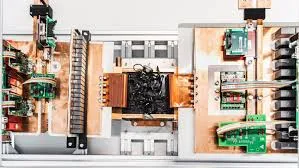
The implementation of wide-bandgap semiconductors in wind power converters has revolutionized energy conversion efficiency. Silicon carbide and gallium nitride devices can operate at higher temperatures, voltages, and switching frequencies than traditional silicon-based devices, resulting in smaller, more efficient power conversion systems. These advancements have contributed to reducing the levelized cost of wind energy and improving the reliability of wind power systems.
Energy Storage and Semiconductor Applications
Semiconductor materials are integral to energy storage systems that complement intermittent renewable energy sources. Battery management systems, which monitor and control the charging and discharging of energy storage devices, rely heavily on semiconductor-based electronics. Additionally, semiconductor materials are being developed for next-generation battery technologies, including solid-state batteries that promise higher energy densities and improved safety characteristics.
Battery Management Systems
Advanced semiconductor chips enable precise monitoring of battery parameters such as voltage, current, and temperature, ensuring optimal performance and longevity of energy storage systems. These integrated circuits incorporate sophisticated algorithms to balance cell voltages, prevent overcharging or deep discharging, and provide accurate state-of-charge estimations, all of which are crucial for the reliable operation of renewable energy systems.
| Technology | Semiconductor Role | Key Materials | Benefits | Development Stage |
|---|---|---|---|---|
| Solid-State Batteries | Solid electrolyte materials | Sulfide, oxide ceramics | Higher energy density, improved safety | Advanced R&D |
| Flow Batteries | Electrode materials, membranes | Vanadium compounds, advanced polymers | Long cycle life, scalable capacity | Commercial deployment |
| Supercapacitors | Electrode materials | Graphene, carbon nanotubes | Rapid charging, high power density | Commercial with ongoing improvements |
Advanced Semiconductor Materials for Future Renewable Energy
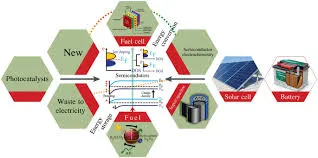
The ongoing development of novel semiconductor materials promises to further enhance the performance and reduce the costs of renewable energy technologies. Wide-bandgap semiconductors, organic semiconductors, and two-dimensional materials like graphene are opening new possibilities for energy conversion and storage. These advanced materials offer the potential for higher efficiencies, lower manufacturing costs, and new form factors that could transform how renewable energy is harvested and utilized.
Wide-Bandgap Semiconductors
Silicon carbide and gallium nitride represent the forefront of wide-bandgap semiconductor technology for power electronics. These materials enable power conversion systems with significantly reduced energy losses, higher operating temperatures, and increased power densities. As renewable energy systems continue to scale, the adoption of wide-bandgap semiconductors is expected to play a crucial role in improving overall system efficiency and reliability.
Organic and Perovskite Semiconductors
Organic semiconductors and perovskite materials offer the potential for low-cost, solution-processable photovoltaic devices that could dramatically reduce the cost of solar energy. While challenges remain in terms of stability and scalability, the rapid progress in these material systems suggests they could play a significant role in the future renewable energy landscape, particularly for building-integrated photovoltaics and portable power applications.
Environmental Considerations and Sustainability
The production and disposal of semiconductor materials raise important environmental considerations that must be addressed as renewable energy technologies continue to scale. While semiconductors enable clean energy generation, their manufacturing processes can be energy-intensive and may involve hazardous materials. The industry is increasingly focused on developing more sustainable manufacturing processes, improving material efficiency, and establishing effective recycling systems for end-of-life solar panels and electronic components.
Lifecycle Assessment and Circular Economy
Comprehensive lifecycle assessments of semiconductor-based renewable energy systems are essential for understanding their true environmental impact. The development of circular economy approaches, including material recovery and recycling, will be crucial for minimizing waste and reducing the environmental footprint of the renewable energy transition. Ongoing research aims to develop semiconductor materials with improved sustainability profiles while maintaining high performance characteristics.
Conclusion: The Future of Semiconductors in Renewable Energy
Semiconductor materials will continue to play a pivotal role in the ongoing transition to renewable energy systems. As research advances and manufacturing processes improve, we can expect to see further enhancements in the efficiency, cost-effectiveness, and sustainability of semiconductor-based energy technologies. The integration of artificial intelligence and advanced manufacturing techniques with semiconductor development promises to accelerate innovation, potentially unlocking new paradigms for clean energy generation, storage, and management that will shape our sustainable energy future.