
The modern kitchen is no longer just a space for culinary creation; it has become a frontline in the global battle against plastic pollution and waste. As environmental awareness grows, homeowners and chefs alike are turning to biodegradable materials to reduce their ecological footprint. These materials, derived from natural sources, break down safely into water, carbon dioxide, and organic matter, offering a sustainable alternative to conventional plastics and synthetics that linger in landfills for centuries.
Why Biodegradable Materials Matter in the Kitchen
The kitchen is a primary source of household waste, from food packaging and disposable utensils to cleaning tools and food scraps. Traditional plastic items, used briefly, can persist in the environment for over 400 years. Biodegradable materials interrupt this cycle. They are typically made from renewable resources like cornstarch, bamboo, sugarcane bagasse, palm leaves, or mushroom mycelium. Their adoption directly reduces plastic leakage into oceans and soil, decreases landfill mass, and lowers carbon emissions associated with petroleum-based plastic production.
Key Benefit: When composted properly, these materials return nutrients to the earth, supporting a circular economy where waste becomes a resource for new growth.
Common Biodegradable Materials and Their Applications
1. Bamboo
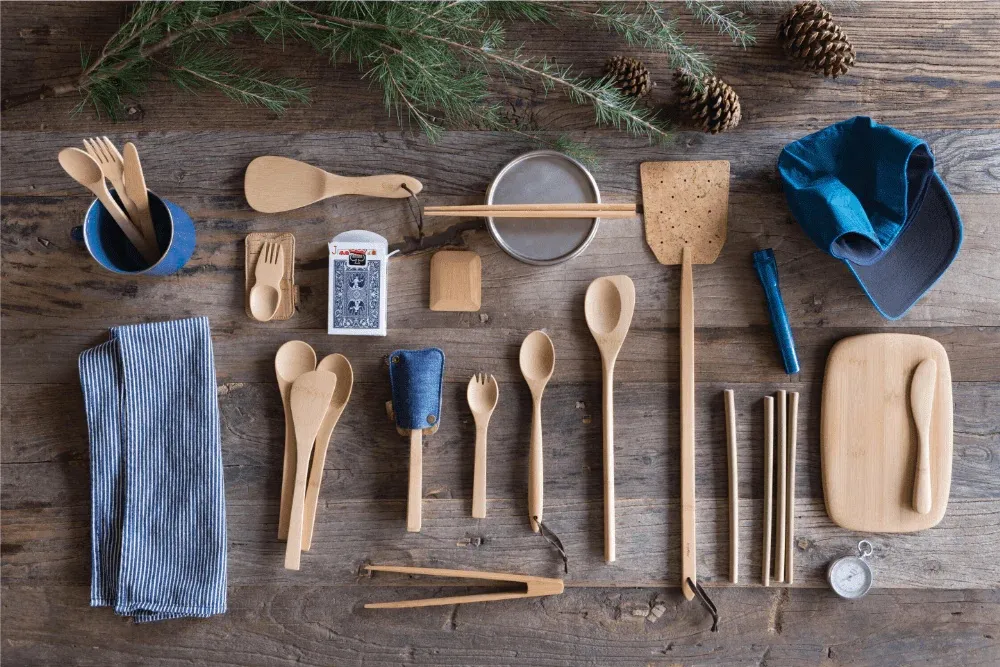
Bamboo is a fast-growing grass requiring no pesticides and little water. In the kitchen, it's used for cutting boards, utensils, dish brushes, and reusable straws. It's durable, naturally antimicrobial, and fully biodegradable at the end of its life.
2. Sugarcane Bagasse
Bagasse is the fibrous residue left after extracting juice from sugarcane. It's molded into sturdy plates, bowls, takeaway containers, and egg cartons. These products are ideal for composting and are a fantastic alternative to polystyrene foam.
3. Polylactic Acid (PLA)
PLA is a bioplastic made from fermented plant starch (usually corn). It's used for clear food containers, cups, and compostable bin liners. Important Note: PLA typically requires industrial composting facilities to break down efficiently, as home compost piles may not reach the necessary high temperatures.
4. Palm Leaf and Wheat Straw
Fallen palm leaves are collected, heat-pressed into beautiful, durable plates and bowls without any chemicals. Similarly, wheat straw, a byproduct of grain harvest, is used to make reusable cups and food storage containers.
Comparative Analysis: Biodegradable vs. Traditional Kitchen Materials
| Material Type | Typical Kitchen Products | Decomposition Time | Key Environmental Impact |
|---|---|---|---|
| Bamboo | Cutting boards, utensils | 2-5 years (in soil) | Low carbon footprint, renewable, compostable |
| Sugarcane Bagasse | Plates, clamshell containers | 30-90 days (commercial compost) | Utilizes agricultural waste, fully compostable |
| PLA Bioplastic | Clear cups, food packaging | 3-6 months (industrial compost only) | Reduces fossil fuel use; requires specific composting |
| Traditional Plastic (PET) | Water bottles, food containers | 450+ years | High carbon footprint, pollutes ecosystems, non-biodegradable |
| Stainless Steel | Food containers, straws | Not applicable (reusable for decades) | High durability, recyclable, but energy-intensive to produce |
Implementing a Biodegradable Kitchen: A Practical Guide
Transitioning to a kitchen centered on biodegradable materials is a gradual process. Start by auditing your single-use items: plastic wrap, zipper bags, disposable cutlery, and sponges. Replace them step-by-step:
- Food Storage: Swap plastic wrap for beeswax or plant-based wax food wraps. Use reusable silicone bags or containers made from bamboo fiber or stainless steel for leftovers.
- Cleaning: Choose brushes with bamboo handles and natural fiber bristles (like coconut coir). Use compostable cellulose sponges.
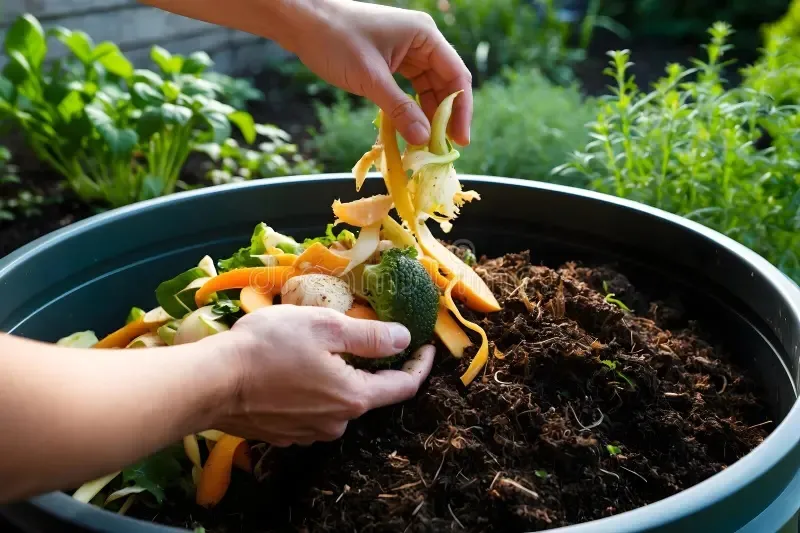
- Waste Management: Line your compost or food waste bin with certified compostable bags made from cornstarch or PLA. Ensure you have a system for collecting compostable waste.
Understanding Certifications and Proper Disposal
Not all products labeled "eco-friendly" or "green" are truly biodegradable. Look for reputable certifications like:
- BPI (Biodegradable Products Institute) Certified Compostable: For North America.
- OK compost HOME (TÜV Austria): Indicates the product will break down in a home composting system.
- Seedling Logo (European Norm EN 13432): The standard for industrial compostability in Europe.
Proper disposal is crucial. If a biodegradable item ends up in a landfill without oxygen, it may release methane, a potent greenhouse gas. Therefore, the goal should be home composting or ensuring items reach an industrial composting facility.
The Future of Kitchen Sustainability
Innovation continues to push boundaries. Materials like mycelium packaging (grown from mushroom roots) and seaweed-based films for edible packaging are emerging. The future kitchen will likely see a blend of high-durability reusables (like glass and steel) and intelligently designed, locally compostable disposables for necessary applications, creating a truly closed-loop system within our homes.
Adopting biodegradable materials is more than a trend; it's a tangible step towards reconciling our daily lives with the planet's health. By making conscious choices in the heart of our homes—the kitchen—we contribute to a larger solution, one meal, and one purchase at a time.