
In modern construction, fire safety is a paramount concern, and the choice of insulation material plays a critical role in protecting structures and occupants. Fire-resistant insulation not only slows the spread of flames but also minimizes smoke production and maintains structural integrity during a fire. This article explores the most fire-resistant insulation materials available, their properties, applications, and how they contribute to building safety.
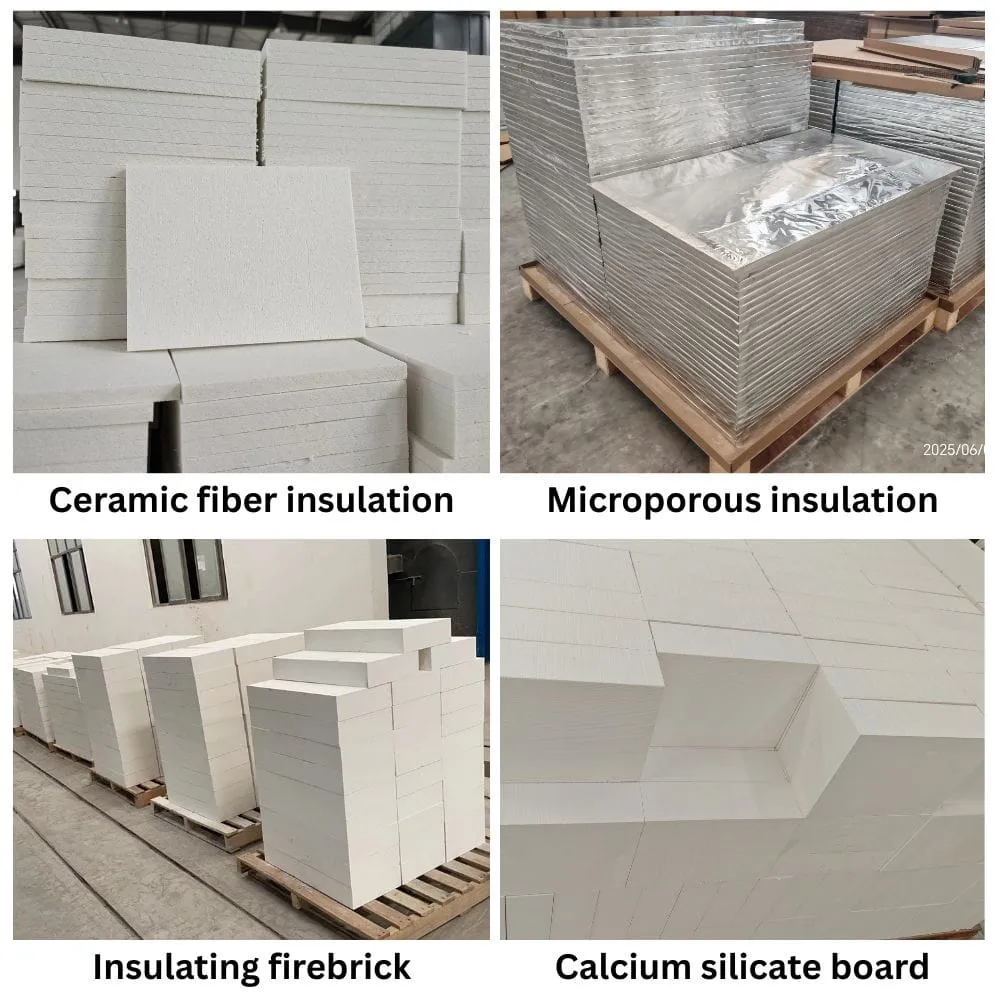
Figure 1: A laboratory comparison of top fire-resistant insulation materials showing their texture and composition.
Understanding Fire Resistance in Insulation
Fire resistance refers to a material's ability to withstand high temperatures without igniting, melting, or releasing excessive toxic fumes. Key metrics include fire rating (e.g., Class A, B, or C), flame spread index, smoke development index, and thermal stability. Insulation materials are tested under standards like ASTM E84 (Surface Burning Characteristics) and ASTM E119 (Fire Tests of Building Construction and Materials) to determine their performance.
Key Factors Defining Fire Resistance
Materials are evaluated based on combustibility, melting point, thermal conductivity under heat, and emission of toxic gases. Non-combustible materials with high melting points (above 1000°C) and low smoke production are considered superior for high-risk applications such as industrial facilities, commercial buildings, and residential fire barriers.
Top Fire-Resistant Insulation Materials
The following materials are recognized for their exceptional fire-resistant properties, each offering unique advantages depending on the application.
Mineral Wool (Stone Wool or Slag Wool)
Mineral wool is made from molten rock or slag spun into fibrous insulation. It is inherently non-combustible, withstanding temperatures up to 1000°C (1832°F). It does not contribute to flame spread and has excellent thermal and acoustic insulation properties.
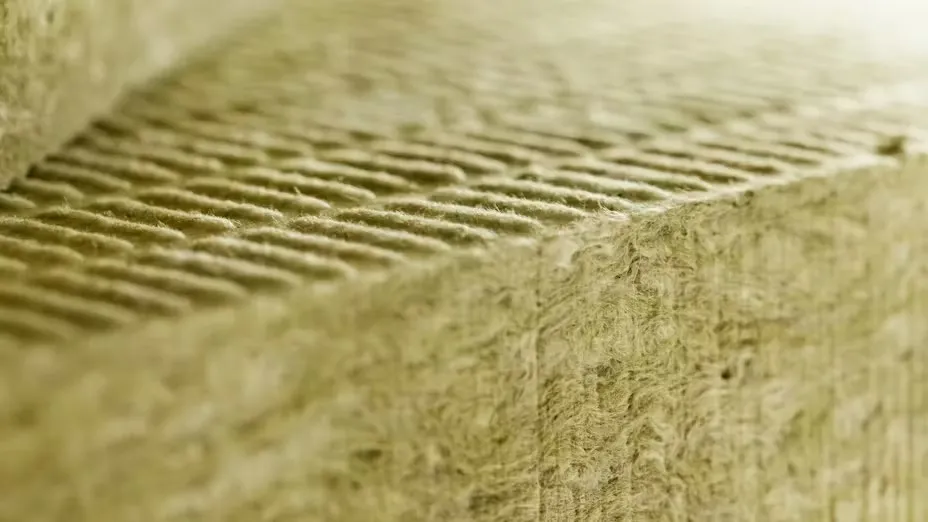
Figure 2: Dense fibrous structure of mineral wool insulation, ideal for wall cavities and attics.
Ceramic Fiber Insulation
Ceramic fiber, composed of alumina-silica materials, offers exceptional resistance to extreme temperatures up to 1400°C (2552°F). It is lightweight, has low thermal conductivity, and is used in high-temperature industrial applications like furnaces and kilns.
Calcium Silicate Insulation
Calcium silicate is a rigid, non-combustible material suitable for temperatures up to 1100°C (2012°F). It is often used for pipe insulation, fireproofing structural steel, and in commercial buildings where durability and fire resistance are critical.
Comparative Analysis of Fire-Resistant Insulation
The table below summarizes the key characteristics of the most fire-resistant insulation materials, helping in selection based on specific needs.
| Material | Max Temperature Resistance | Fire Rating (ASTM E84) | Primary Applications | Advantages |
|---|---|---|---|---|
| Mineral Wool | 1000°C (1832°F) | Class A (Non-combustible) | Wall cavities, attics, fire barriers | Non-combustible, excellent sound absorption, moisture resistant |
| Ceramic Fiber | 1400°C (2552°F) | Class A (Non-combustible) | Industrial furnaces, kilns, high-temperature piping | Extreme heat resistance, low thermal conductivity, lightweight |
| Calcium Silicate | 1100°C (2012°F) | Class A (Non-combustible) | Pipe insulation, structural steel fireproofing | High compressive strength, durable, low smoke emission |
| Vermiculite/Perlite | 1100°C (2012°F) | Class A (Non-combustible) | Loft insulation, firestop systems | Natural, non-toxic, good thermal insulation |
| Intumescent Coatings | Varies (up to 1200°C) | Class A (Fire-retardant) | Structural steel, electrical conduits | Expands under heat to form insulating char, space-saving |
Applications in Building and Industry
Fire-resistant insulation is essential in various sectors. In residential construction, it is used in attics, walls, and around electrical fixtures to prevent fire spread. Commercially, it protects structural elements in high-rises and public buildings. Industrially, it safeguards equipment in refineries, power plants, and manufacturing units.
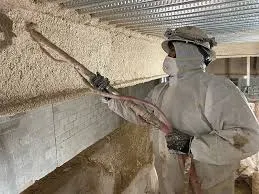
Figure 3: Installing fire-resistant insulation on steel beams in a commercial building for structural fireproofing.
Selection Criteria for Optimal Safety
When selecting insulation, consider factors such as the required fire rating, environmental conditions (humidity, chemical exposure), installation ease, and cost-effectiveness. Always consult building codes (e.g., International Building Code) and fire safety standards to ensure compliance.
Future Trends in Fire-Resistant Insulation
Innovations include aerogel-based insulations offering superior fire resistance with minimal thickness, and eco-friendly materials like recycled glass wool. Research is also focusing on smart insulations that can detect heat and activate fire suppression systems.
In conclusion, choosing the most fire-resistant insulation material depends on specific temperature requirements, application, and regulatory standards. Materials like mineral wool, ceramic fiber, and calcium silicate provide robust solutions for enhancing fire safety in any structure, ultimately saving lives and property.